
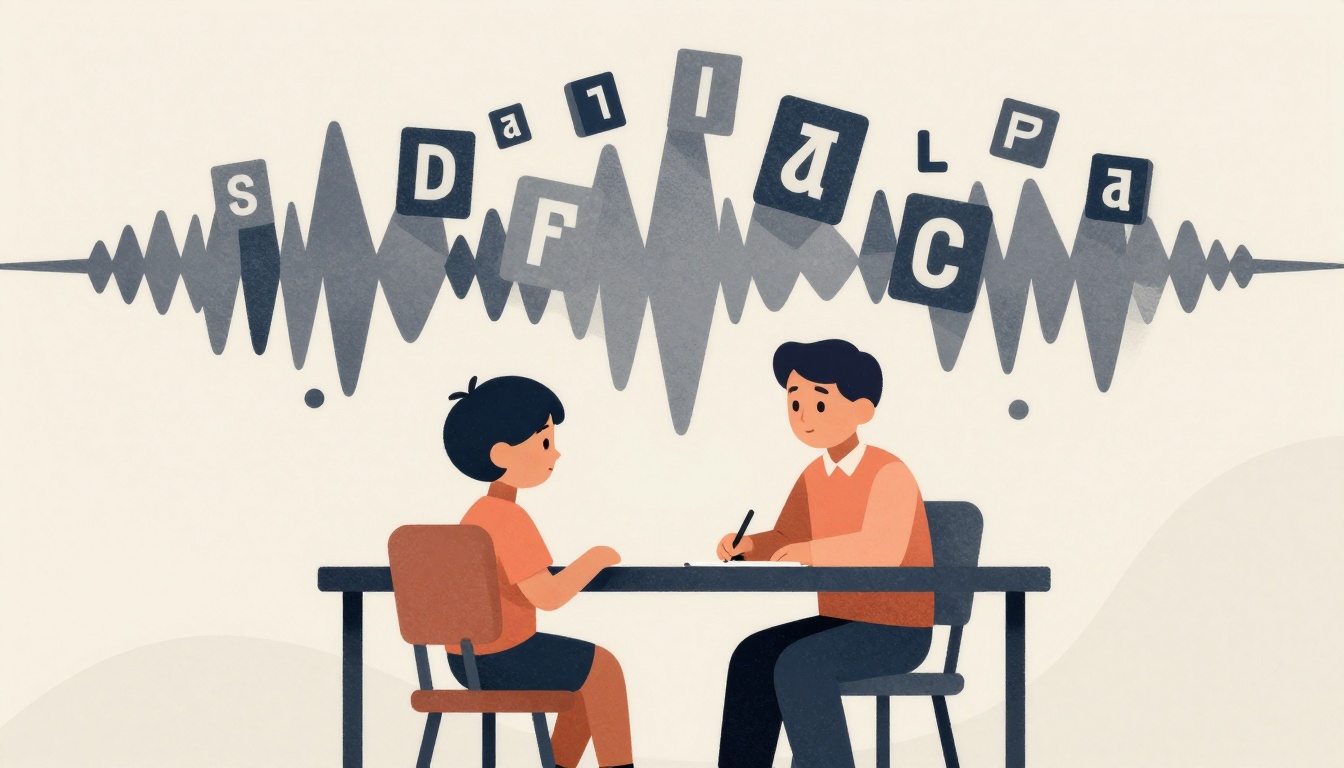
When a child struggles with reading, one-on-one sessions offer the best chance to close gaps quickly. But without a clear plan, tutoring can become unfocused and frustrating. Phonics instruction—teaching the relationship between letters and sounds—is most effective when it is systematic and explicit. Research shows that this approach helps 95% of students learn to read successfully, compared to methods that rely on guessing. Here’s how to structure your one-on-one phonics sessions for real progress.
Which phonics approach is most evidence-based for one-on-one tutoring?
Select one answer.
Start with a diagnostic assessment
Before you plan any lesson, you need to know exactly where the student is struggling. A quick phonics assessment can reveal gaps in letter-sound knowledge, blending, or segmenting. For example, a tutor might use a tool like the Really Great Reading phonics assessment to identify which decodable texts to start with. This baseline lets you target instruction to the student’s specific needs rather than guessing.
Build a structured lesson plan
The strongest tutoring sessions include five core components: specific objectives, pre-assessment, instruction, guided practice, and progress evaluation. For a 30-minute session, a common time split is 5 minutes for warm-up, 20 minutes for instruction and practice, and 5 minutes for wrap-up and review. This structure keeps sessions focused and ensures every minute has a purpose.
A sample 30-minute phonics session
- Warm-up (5 min): Review previously learned sounds with flashcards or a quick phonemic awareness activity.
- New skill introduction (10 min): Teach one new letter-sound correspondence or phonics pattern. Use a picture cue to help the student remember the sound (e.g., a pig for /p/).
- Guided practice (10 min): Practice blending and segmenting words with the new pattern. Use word mapping or counters to slide for each sound.
- Wrap-up (5 min): Review the new skill and preview what’s next. Celebrate small wins.
Use multisensory techniques
Multisensory instruction engages multiple senses—seeing, hearing, and touching—which helps solidify learning. Techniques like tapping out words, textile tracing, and word mapping are research-based and effective. For example, have the student tap each sound with their fingers, then write the letters in sand or on a textured surface. This approach is especially helpful for students with dyslexia or other reading difficulties.
Choose the right phonics approach
There are several phonics methods, but systematic synthetic phonics is the most evidence-based. It teaches students to convert letters into sounds and blend them to form words. This is different from analytic phonics, which starts with whole words and breaks them down. For one-on-one tutoring, synthetic phonics is often the best choice because it builds decoding skills from the ground up.
Track progress and adjust
Regular progress monitoring is essential. Use quick checks at the end of each session to see if the student has mastered the target skill. If not, adjust your plan for the next session. This diagnostic-prescriptive approach ensures that instruction is always tailored to the student’s current level.
Practical checklist for each session
- Set a specific, measurable objective (e.g., “read CVC words with short /a/ with 80% accuracy”)
- Review previous skills (2-3 minutes)
- Introduce one new sound or pattern with a picture cue
- Practice blending and segmenting with counters or tapping
- Use a decodable text that includes the new pattern
- End with a quick assessment and note progress
How the Featured Expert Can Help
Steve Washko offers one-on-one tutoring in reading, math, statistics, and Python programming for students from kindergarten through college. He provides personalized instruction both in-person in Burleson, TX and online. If your child needs targeted phonics support, visit Private Tutoring by Steve to learn more.
Quiz:
Which phonics approach is most evidence-based for one-on-one tutoring?
- Synthetic phonics
- Whole language
- Embedded phonics